

Our approach

Your challenges

Energy consumption under regulatory pressure

Food production, packaging and storage sites are among the most energy-intensive in French industry. The Tertiary Decree, the CSRD and customers’ carbon targets impose quantified pathways with tight deadlines.

Cooling costs that squeeze margins

Cooling accounts for 40 to 60% of a food processing site’s energy bill. Electricity price volatility and seasonal consumption peaks increase the pressure, with no simple adjustment lever on the process side.

Non-negotiable health requirements

Controlled temperatures, regulatory traceability, HACCP compliance, complete cold chain continuity: every intervention must be designed with no risk to product quality or site compliance

Testimonial

“Predictive alerts and performance data are accessible from the app, which is a real plus that helps us anticipate and avoid malfunctions! Information comes through quickly and reliably.”

Cédric Paillard

Site Director

Our projects

  • ENERGY STORAGE AND FLEXIBILITY

    Bessières greenhouses

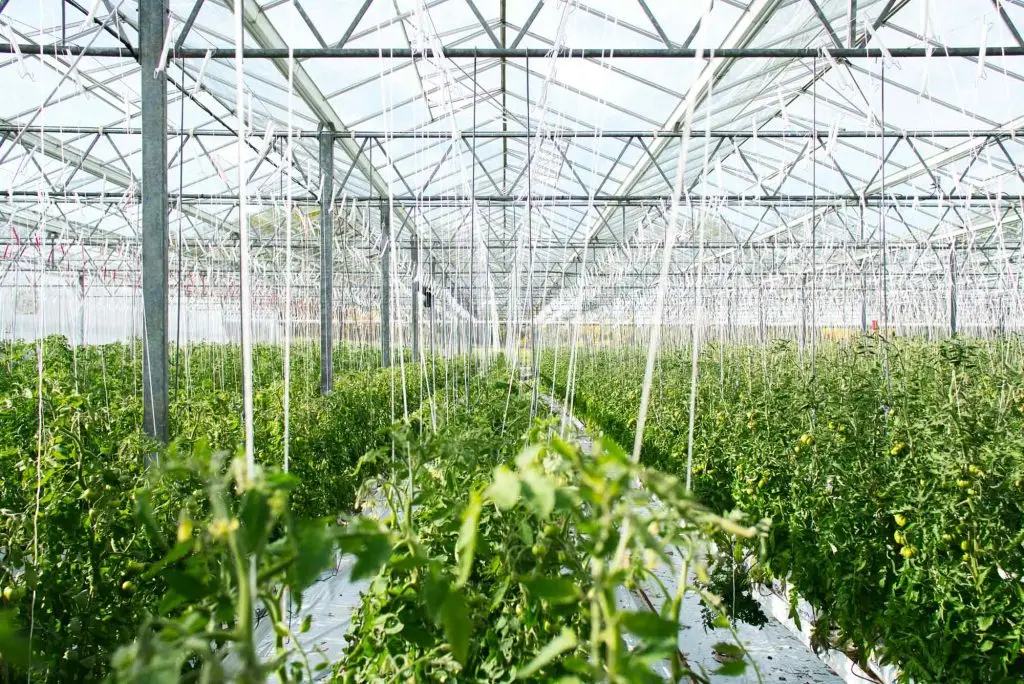
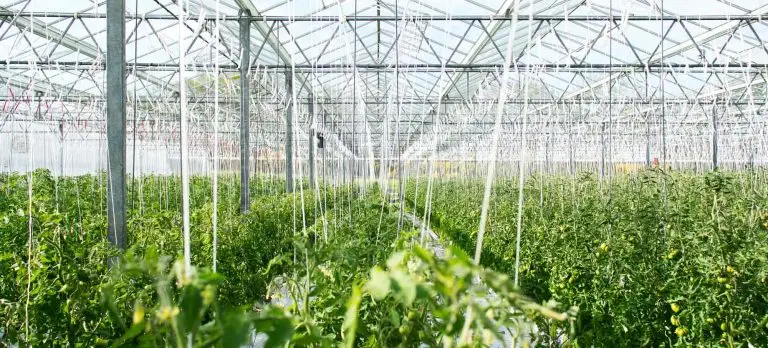
    Recovery of waste heat from the Bessières energy-from-waste plant (196,000 t/year of waste) to supply renewable cooling to the Serres de Bessières greenhouses (10 ha, 6,000 t of tomatoes/year). LH2C (Low Heat to Cold) technology: charging and discharging on the same site. A local circular economy between a waste heat producer and an agricultural cooling consumer. Financing: Water Horizon + ADEME.
  • LOW-CARBON HEATING AND COOLING

    Port of La Rochelle

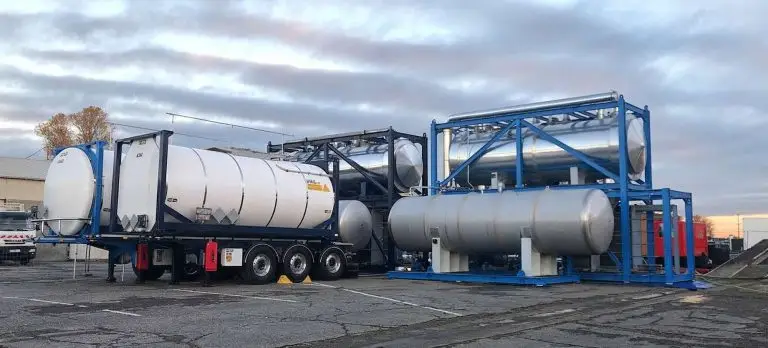
    With its ambition to cut carbon emissions by 30% by 2030, collaboration between waste heat producers and consumers represents a real opportunity for the La Rochelle area.

    The La Rochelle Energy-from-Waste plant (UVE) is a treatment centre for waste from local authorities and industry.

  • THERMAL MANAGEMENT OF SENSITIVE INFRASTRUCTURE

    PepsiCo, production line (Phoenix, AZ)

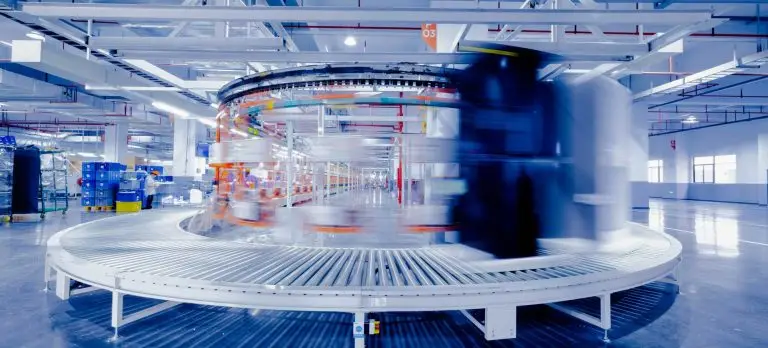
    PepsiCo generates intense heat on its production lines, making them almost impossible to cool. The company had been using a direct evaporative cooling system for years, but it proved ineffective during the summer.

ENERGY STORAGE AND FLEXIBILITY

Bessières greenhouses

Recovery of waste heat from the Bessières energy-from-waste plant (196,000 t/year of waste) to supply renewable cooling to the Serres de Bessières greenhouses (10 ha, 6,000 t of tomatoes/year). LH2C (Low Heat to Cold) technology: charging and discharging on the same site. A local circular economy between a waste heat producer and an agricultural cooling consumer. Financing: Water Horizon + ADEME.

LOW-CARBON HEATING AND COOLING

Port of La Rochelle

With its ambition to cut carbon emissions by 30% by 2030, collaboration between waste heat producers and consumers represents a real opportunity for the La Rochelle area.

The La Rochelle Energy-from-Waste plant (UVE) is a treatment centre for waste from local authorities and industry.

THERMAL MANAGEMENT OF SENSITIVE INFRASTRUCTURE

PepsiCo, production line (Phoenix, AZ)

PepsiCo generates intense heat on its production lines, making them almost impossible to cool. The company had been using a direct evaporative cooling system for years, but it proved ineffective during the summer.

DO YOU OPERATE A FOOD PRODUCTION OR STORAGE SITE?

Let’s discuss your decarbonisation and cooling performance challenges.