
Projects

Bessières greenhouses

Lost heat from an incinerator put to work for agriculture.

-792
T
CO₂/year

Market-garden greenhouses

Tomatoes

Background

Recovery of waste heat from the Bessières energy-from-waste plant (196,000 t/year of waste) to supply renewable cooling to the Serres de Bessières greenhouses (10 ha, 6,000 t of tomatoes/year). LH2C (Low Heat to Cold) technology: charging and discharging on the same site. A local circular economy between a waste heat producer and an agricultural cooling consumer. Financing: Water Horizon + ADEME.

100 000m
2
of greenhouses (10 ha)
1
GWh
energy delivered per year (target)

Description

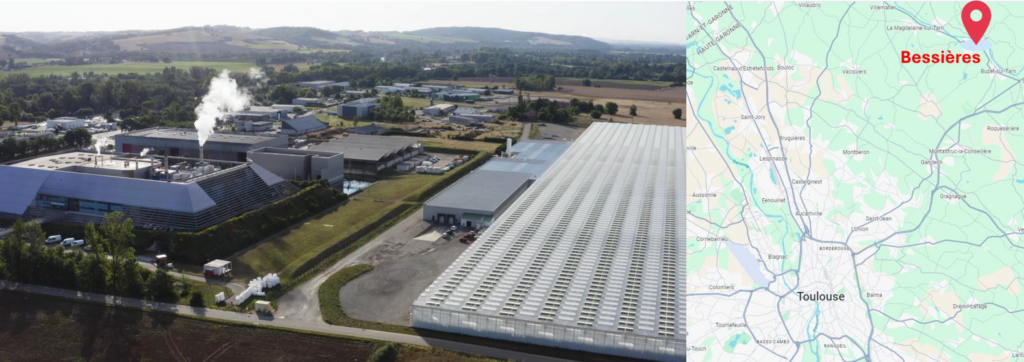
Thanks to its agricultural heritage, Bessières is ideally placed to host an innovative project aimed at establishing a local, sustainable circular economy linking producers of residual heat with consumers of cooling.

The Bessières Energy-from-Waste plant (UVE) is a household waste treatment centre.

The facility processes around 196,000 tonnes of waste each year, producing electricity and heat.

Part of this heat is used through a heating network for market-garden greenhouses. However, recovery remains limited and a large share of this heat is still lost and released into the air.

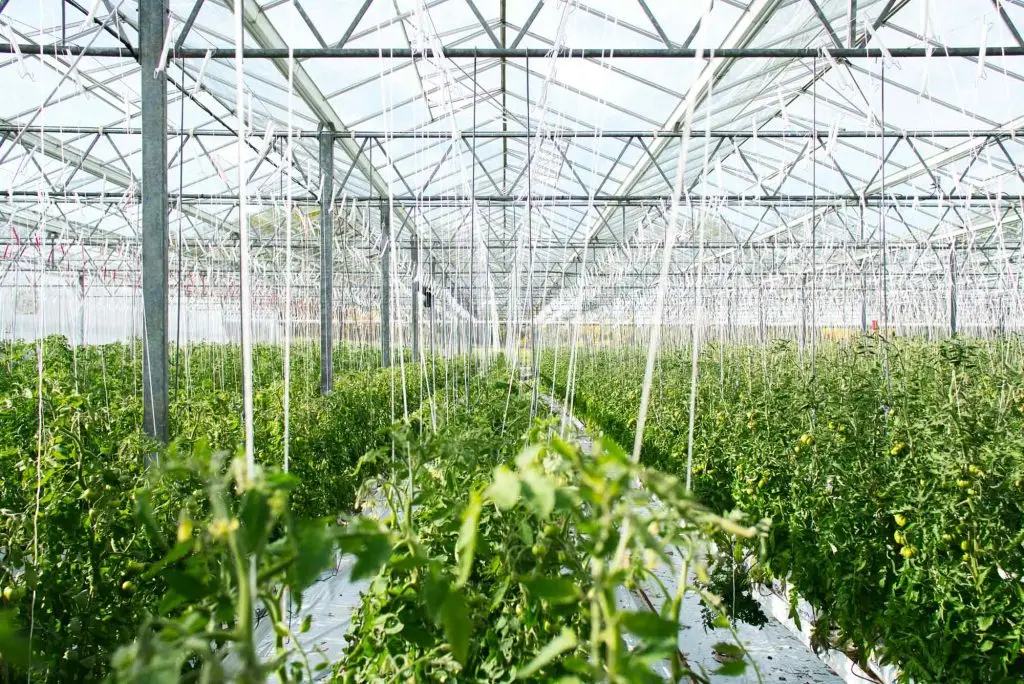
Les Serres de Bessières, located a few hundred metres from the plant, is a market-gardening business specialising in greenhouse tomato production. The greenhouses cover 10 hectares of land, with average annual production of 6,000 tonnes of tomatoes. The need to maintain a suitable temperature to preserve the tomatoes raises a major environmental challenge: substantial cooling needs. Refrigeration systems, while essential to preserving tomato quality, contribute to energy consumption and greenhouse gas emissions.

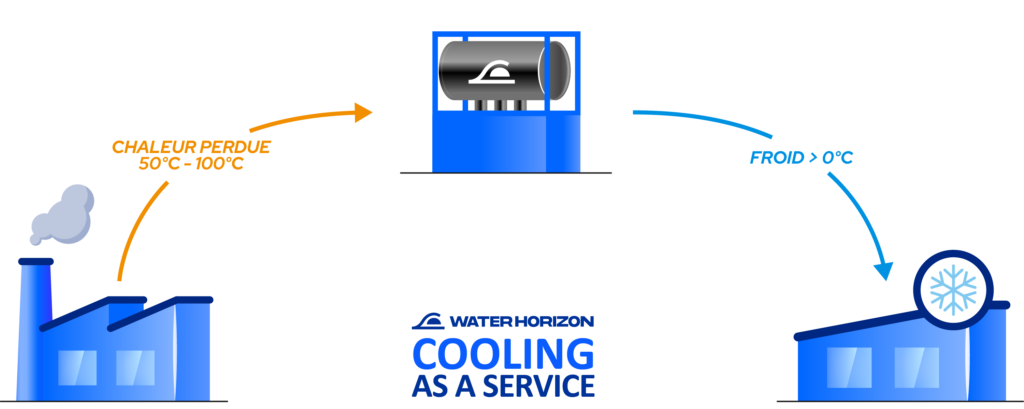
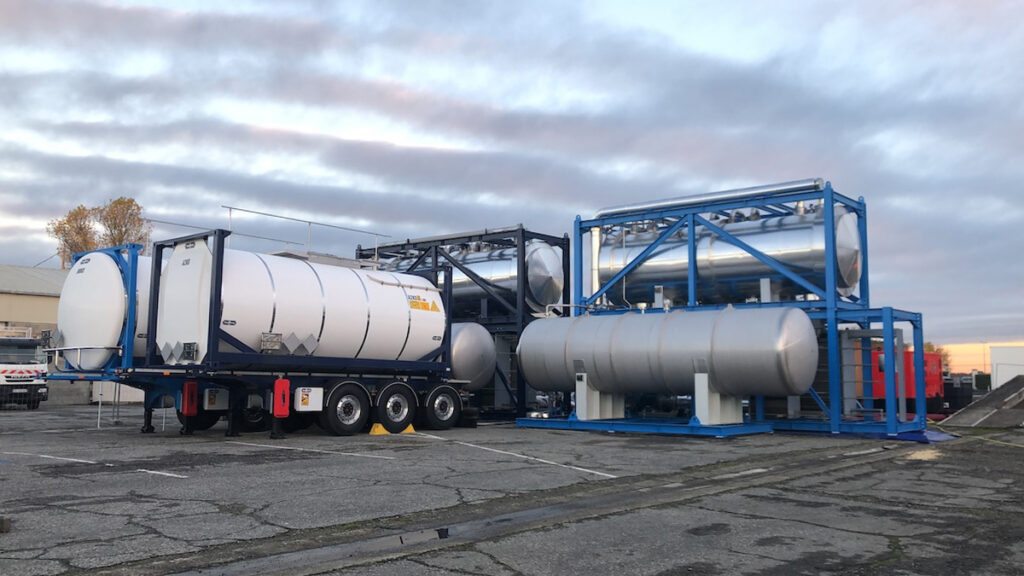
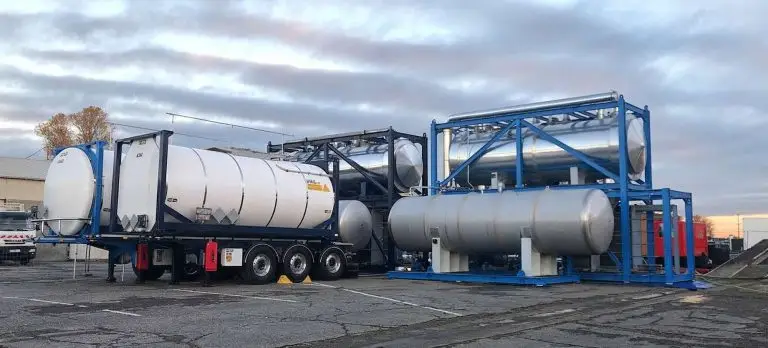
With its “Low Heat to Cold” (LH2C) thermal battery technology, Water Horizon will distribute renewable cooling from the plant’s waste heat.

The LH2C battery is charged with heat from the plant. Once full, it is used on the same site to supply cooling.

Project impact

Bessières plant:

  • → Improved image
  • → Reduced environmental impact
  • → Upgrading and continuous innovation to keep pace with changing regulations

Serres de Bessières:

  • → Lower operating and maintenance costs
  • → Reduced GHG emissions
  • → Temperature management (precision, stability) to guarantee the quality and safety of stored produce

Location / routing

Technology focus

Over the past 7 years, WATER HORIZON has honed unique technical expertise and know-how in waste heat recovery and renewable cooling production.

In Europe, industrial waste heat is equivalent to 100 nuclear reactors.

It was from this striking observation that Water Horizon developed its Low Heat To Cold (LH2C) technology: recovering low-temperature waste heat (50-100°C) and transforming it on the same site into cooling at positive temperatures (>0°C).

Water Horizon takes care of everything! Whether you produce or consume waste heat, we find your counterpart, size the project, finance it and operate it.

Discover other Eren Building projects

  • LOW-CARBON HEATING AND COOLING

    Port of La Rochelle

    With its ambition to cut carbon emissions by 30% by 2030, collaboration between waste heat producers and consumers represents a real opportunity for the La Rochelle area.

    The La Rochelle Energy-from-Waste plant (UVE) is a treatment centre for waste from local authorities and industry.
  • THERMAL MANAGEMENT OF SENSITIVE INFRASTRUCTURE

    AXA & PRD – Rhenus Pharma

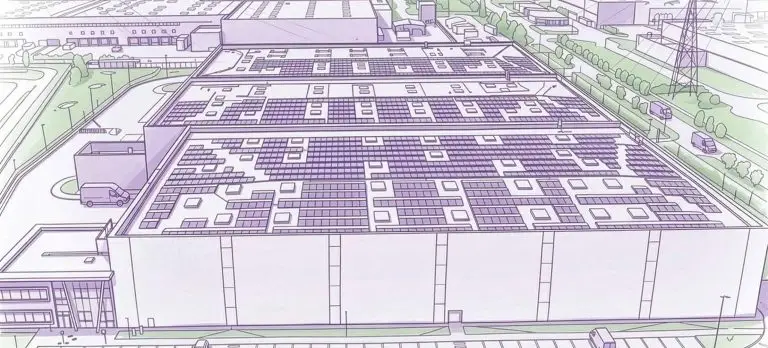
    The international group AXA and PRD, a major player in logistics and commercial real estate, called on Accenta to redesign the heating system of an 18,000 m² temperature-controlled warehouse located in Saint-Quentin-Fallavier.

  • THERMAL MANAGEMENT OF SENSITIVE INFRASTRUCTURE

    US Nuclear Security data centre

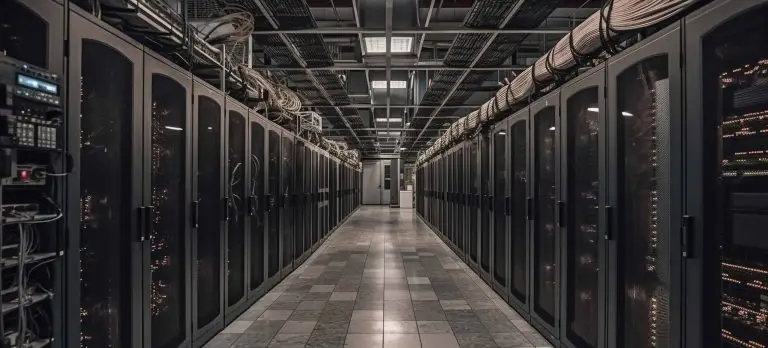
    Critical cooling with 100% recirculated air and permanently controlled humidity, exceeding the strictest government requirements. Continuously purified air across the entire site: 99.99% of viruses and bacteria neutralised, 24/7, with no chemicals and no human intervention.

LOW-CARBON HEATING AND COOLING

Port of La Rochelle

With its ambition to cut carbon emissions by 30% by 2030, collaboration between waste heat producers and consumers represents a real opportunity for the La Rochelle area.

The La Rochelle Energy-from-Waste plant (UVE) is a treatment centre for waste from local authorities and industry.

THERMAL MANAGEMENT OF SENSITIVE INFRASTRUCTURE

AXA & PRD – Rhenus Pharma

The international group AXA and PRD, a major player in logistics and commercial real estate, called on Accenta to redesign the heating system of an 18,000 m² temperature-controlled warehouse located in Saint-Quentin-Fallavier.

THERMAL MANAGEMENT OF SENSITIVE INFRASTRUCTURE

US Nuclear Security data centre

Critical cooling with 100% recirculated air and permanently controlled humidity, exceeding the strictest government requirements. Continuously purified air across the entire site: 99.99% of viruses and bacteria neutralised, 24/7, with no chemicals and no human intervention.

Contact

Assess your project’s potential free of charge